About the project
Environmental Memory Maps
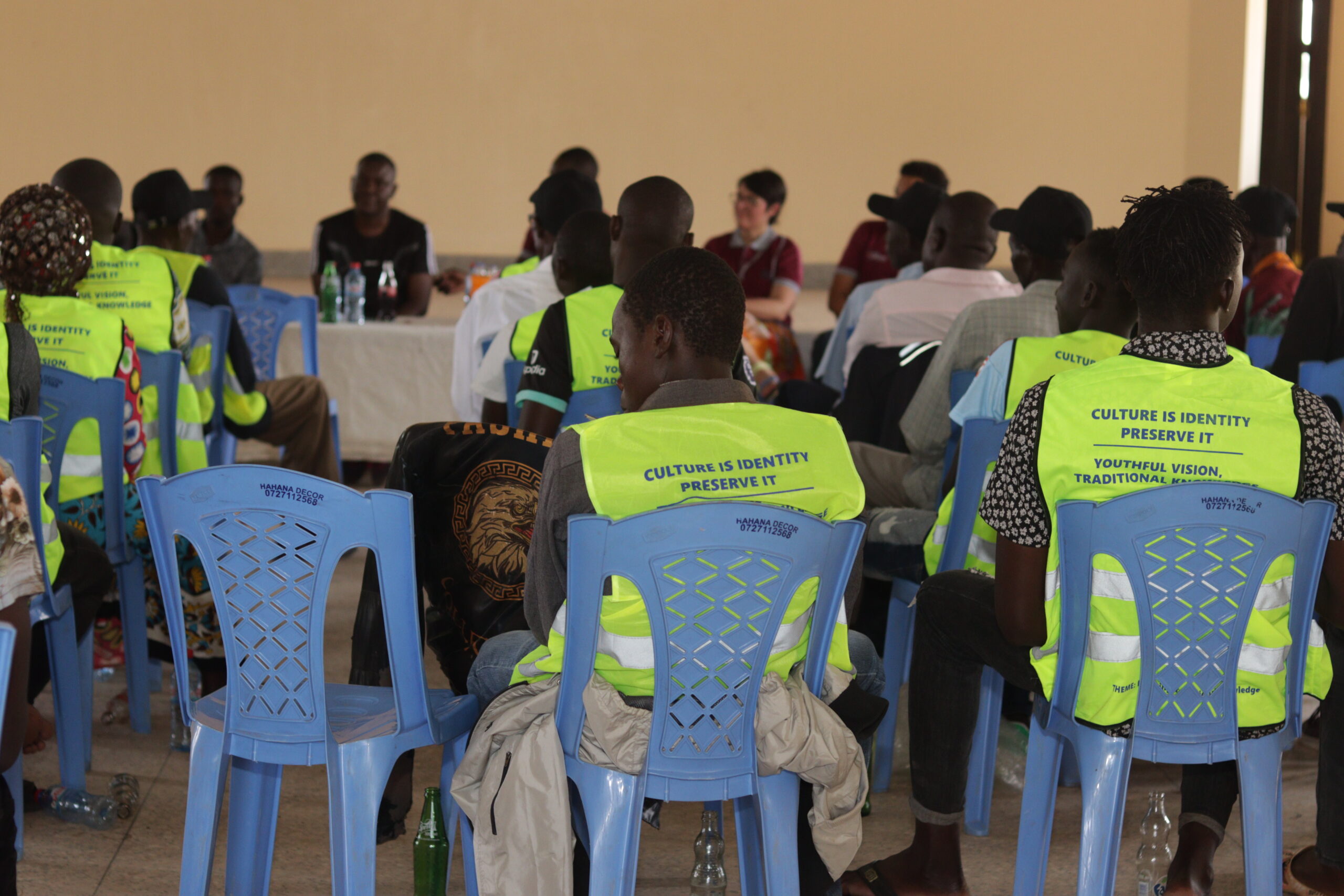
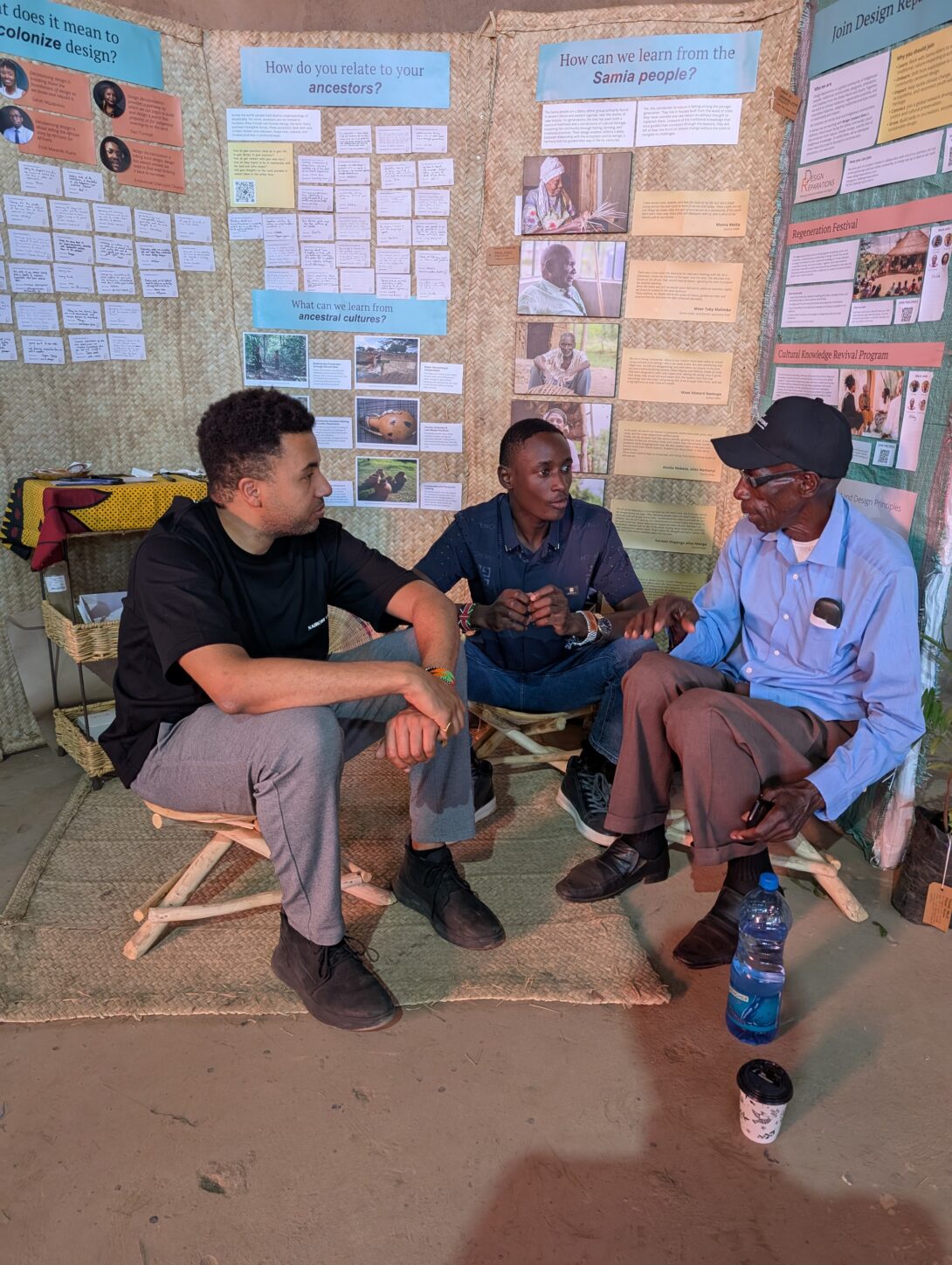
Environmental Memory Maps is a community-led initiative that explores how people living along the Lake Victoria Basin in Busia, Kenya observe, remember, and document environmental change. The project brings together elders, youth, fisherfolk, and local communities in Samia Sub-county, Busia, to record environmental knowledge through storytelling, oral histories, photography, illustration, and participatory mapping.
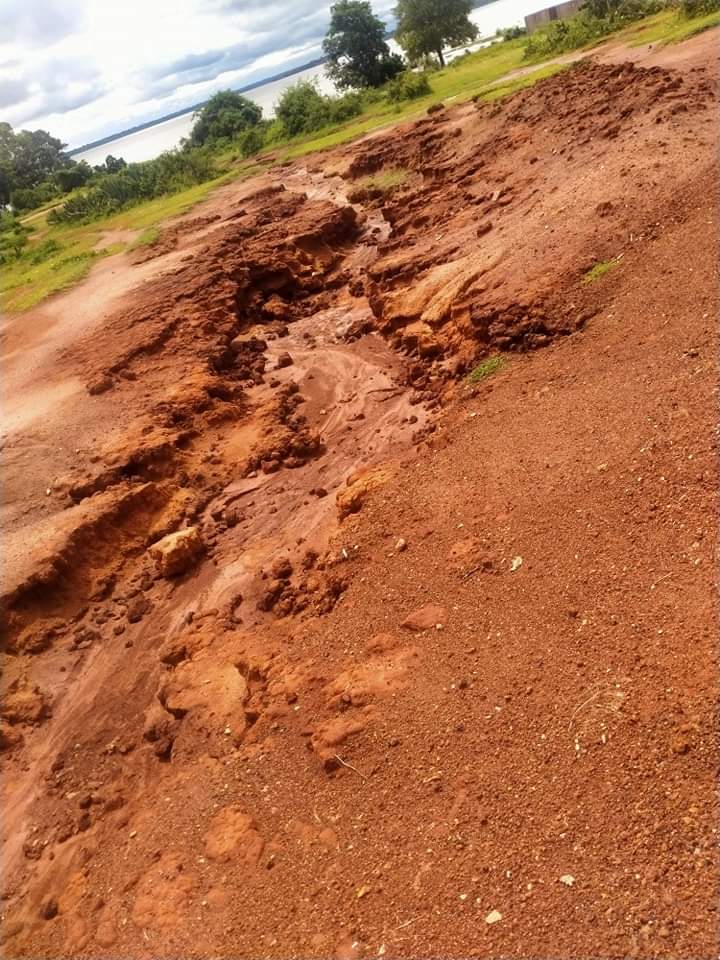
Many environmental changes, such as shoreline erosion, flooding, declining biodiversity, and changing fishing grounds are first noticed by the people who live with them every day. Yet these observations are rarely documented or included in wider environmental conversations. By creating Environmental Memory Maps, the project combines community memories with present-day observations to build a visual record of changing landscapes. The process encourages dialogue across generations while preserving ecological knowledge that might otherwise be lost, showing how creativity and community participation can contribute to understanding and responding to environmental change.
About the projects’ approach
The project builds on the idea that environmental knowledge is not only produced through scientific instruments but also through lived experience and long-term relationships with a place. Rather than treating local people as participants in a study, the project works with them as contributors whose observations and memories are valuable forms of knowledge.
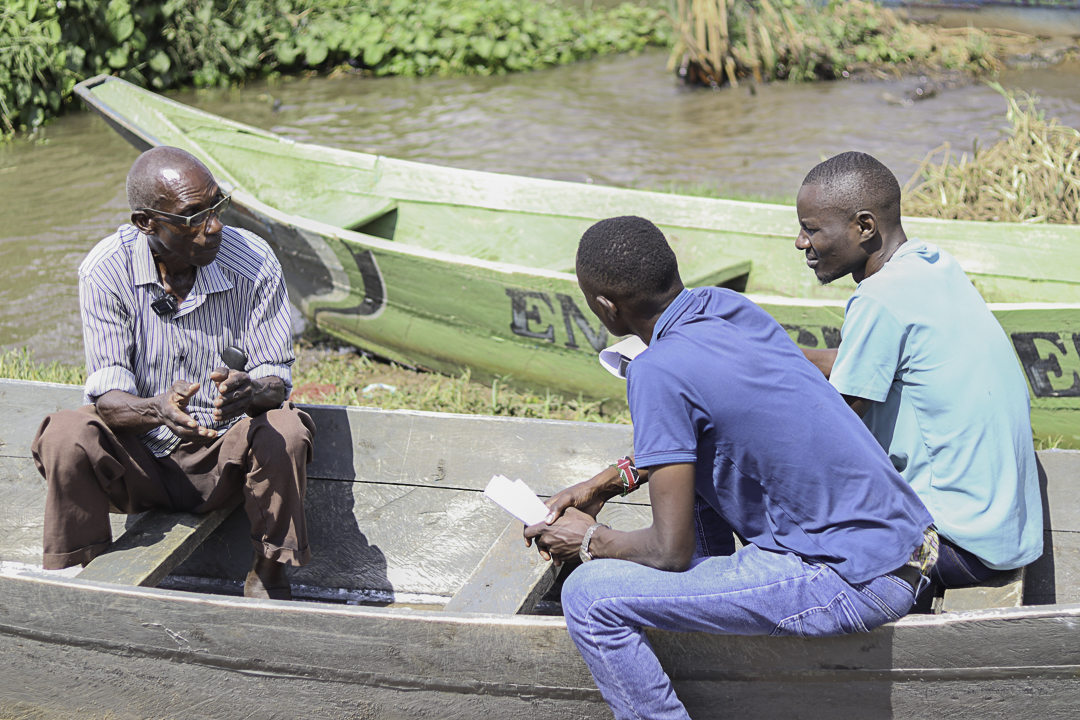
Workshops, community conversations, oral history interviews, photography, illustration, and participatory mapping are used to document both historical and present-day environmental conditions. Elders share memories of landscapes that have changed over time, while younger participants contribute their own observations of today’s environment. These perspectives are brought together through creative processes that produce visual maps, stories, and public exhibitions. The approach values collaboration, curiosity, and shared learning, creating space for communities to reflect on environmental change while imagining possible futures together.