About the project
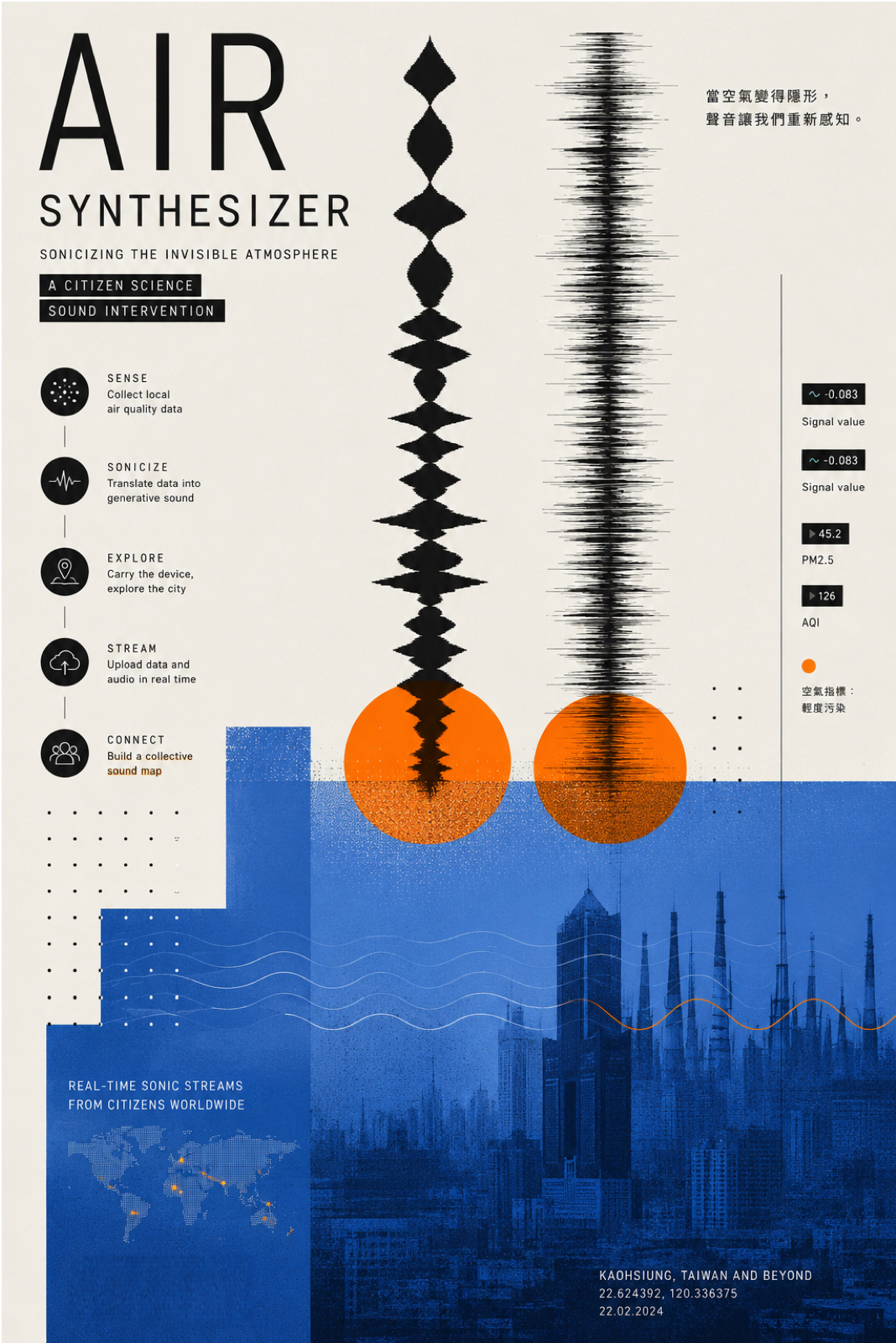
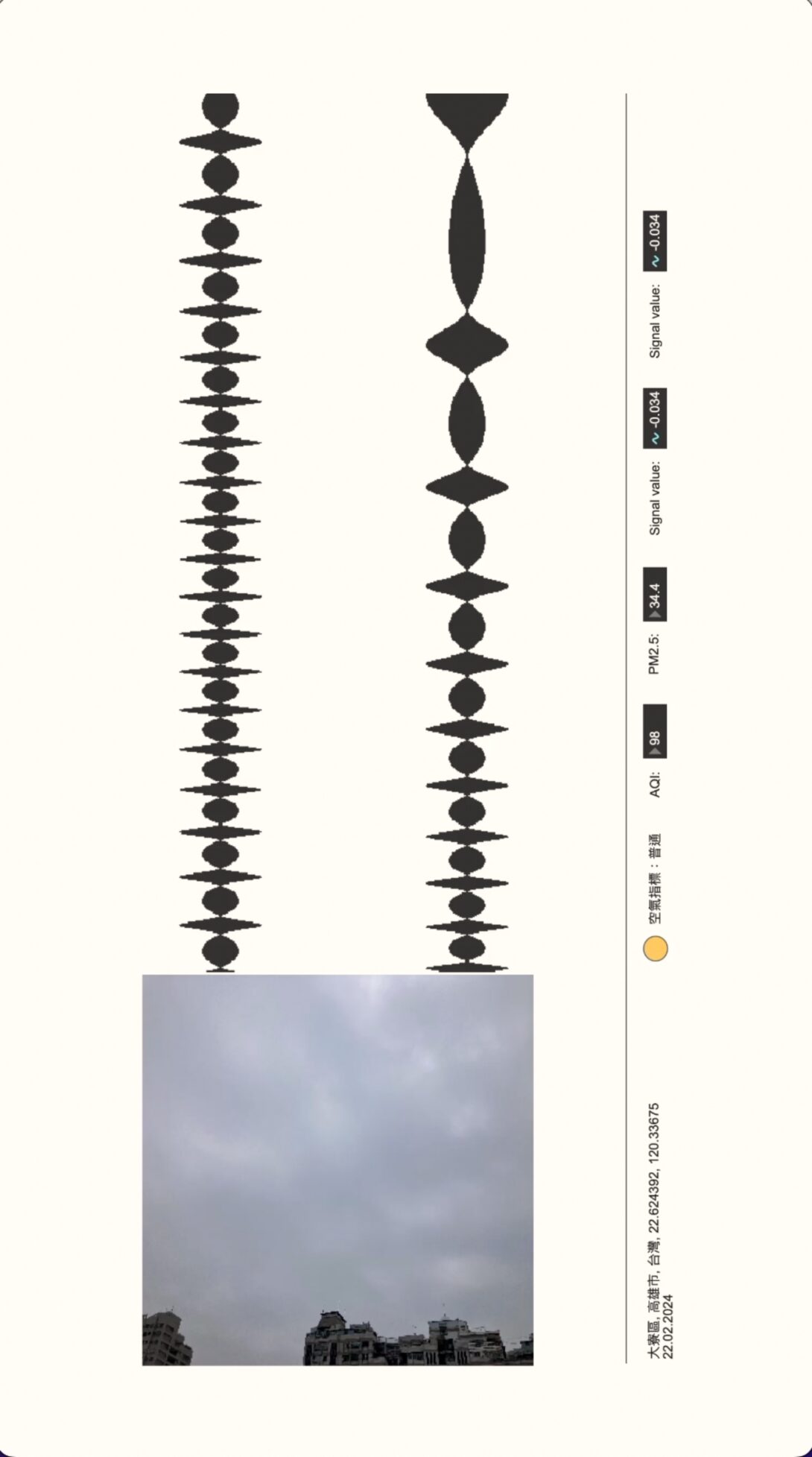
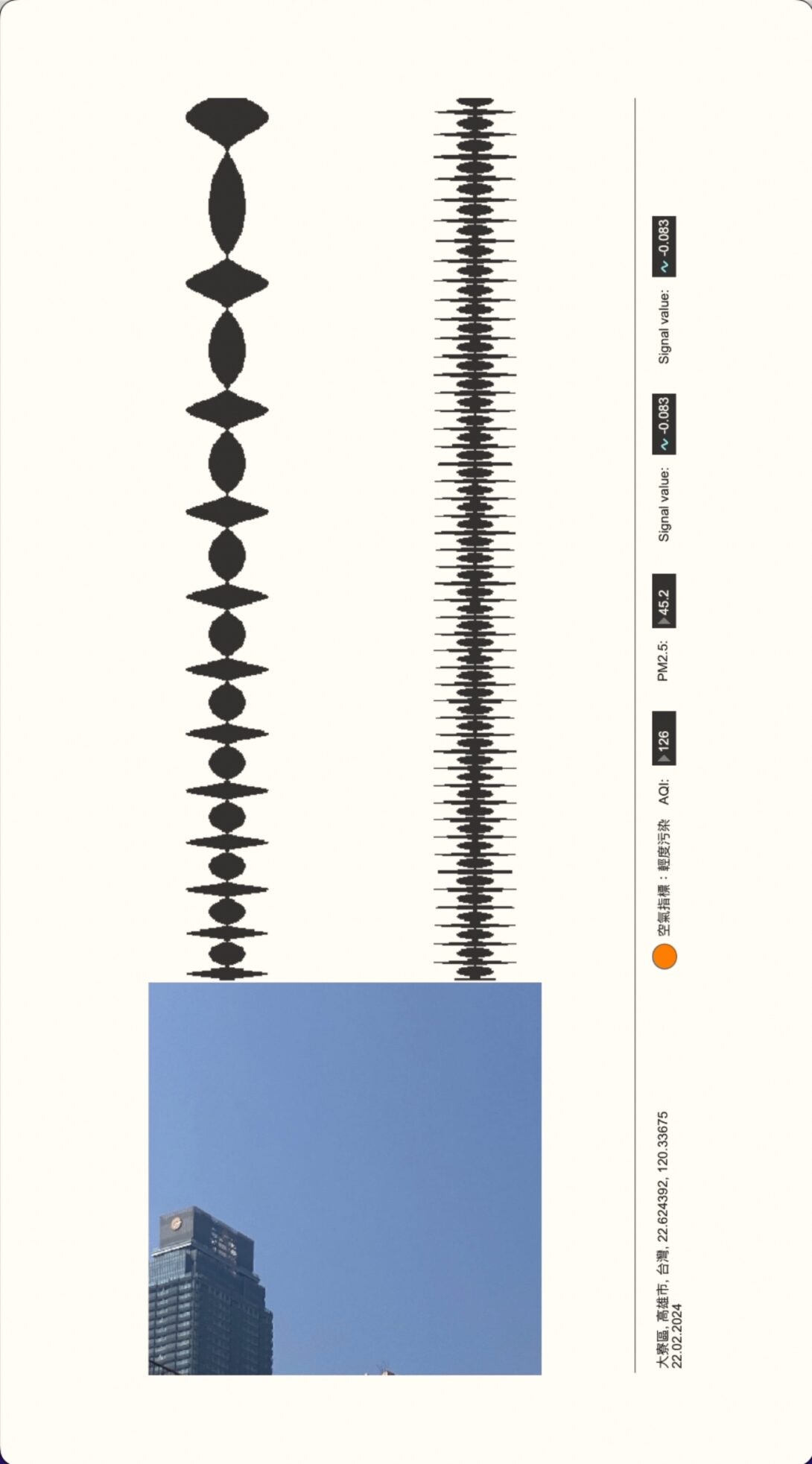
Air Synthesizer is a generative sound installation that converts real-time air quality data (AQI, PM2.5, PM10) into an immersive acoustic experience. What: The system maps invisible pollution levels to a granular synthesizer, where clean air produces a stable 440Hz tone, while pollutants trigger unstable, jittery noise. Why: To challenge the “normalization” of pollution in industrial cities like Kaohsiung, transforming environmental data from abstract metrics into a visceral, public concern. How: Through live API streaming and custom hardware, the installation functions as a mobile “action interface,” allowing users to broadcast local air quality as an acoustic map. Who: Designed for urban residents and communities. When/Where: The project will be developed and implemented between July and October 2026. By bridging technical monitoring with creative participation, this project empowers citizens to become active environmental sensors, fostering a critical dialogue on urban atmospheric justice.
Screenshot
Screenshot
About the project’s approach
My approach is deeply rooted in ecosystemic and open methodologies. By using open-source creative coding and public API data, I treat the environment not as a static backdrop, but as a living system subject to human impact. The project is collaborative; it shifts the role of the audience from passive viewers to active participants—”citizen sensors”—who engage in the sonic mapping of their own neighborhoods. By inviting residents to interweave their own voices with real-time pollution noise, the work fosters a shared sensory experience that makes abstract data tangible. This regenerative practice aims to reverse environmental apathy by sparking local discourse, ensuring that the technology serves the community’s need for transparency and advocacy. Ultimately, Air Synthesizer provides a scalable framework that connects global urban challenges.