About the project
SALINEROS DEL NILAHUE: OBSERVADORES DE LARGO ALIENTO
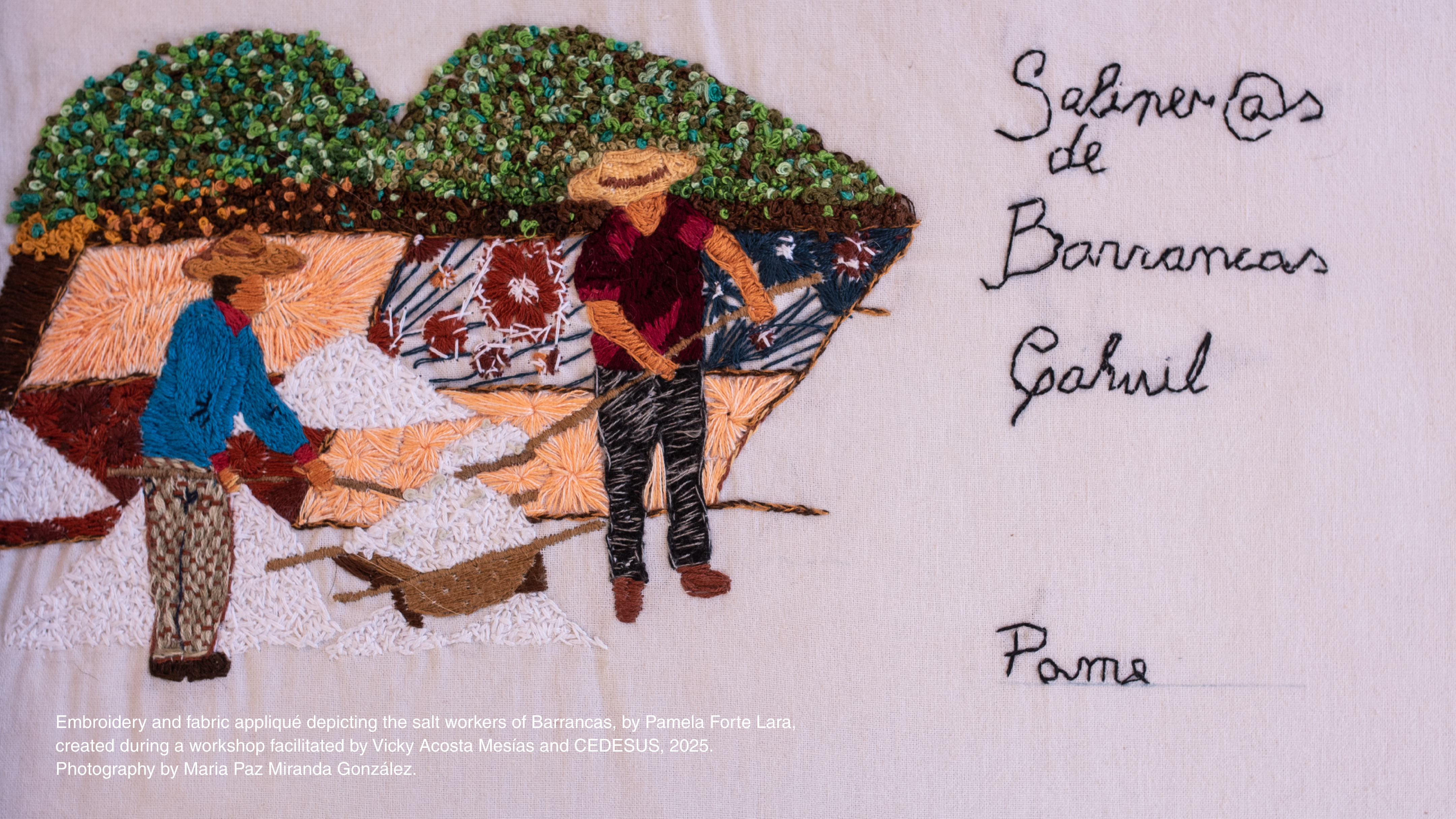
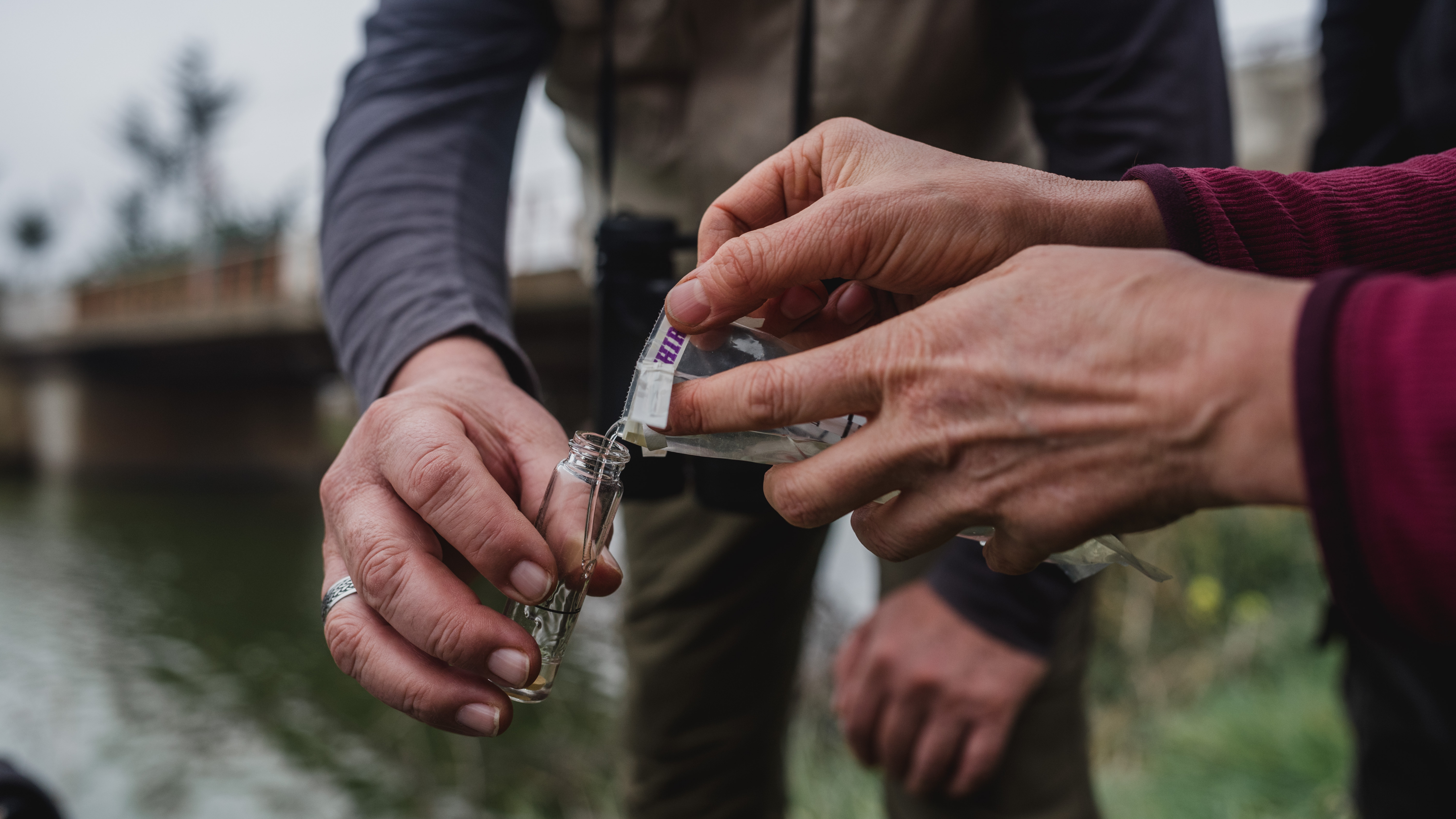
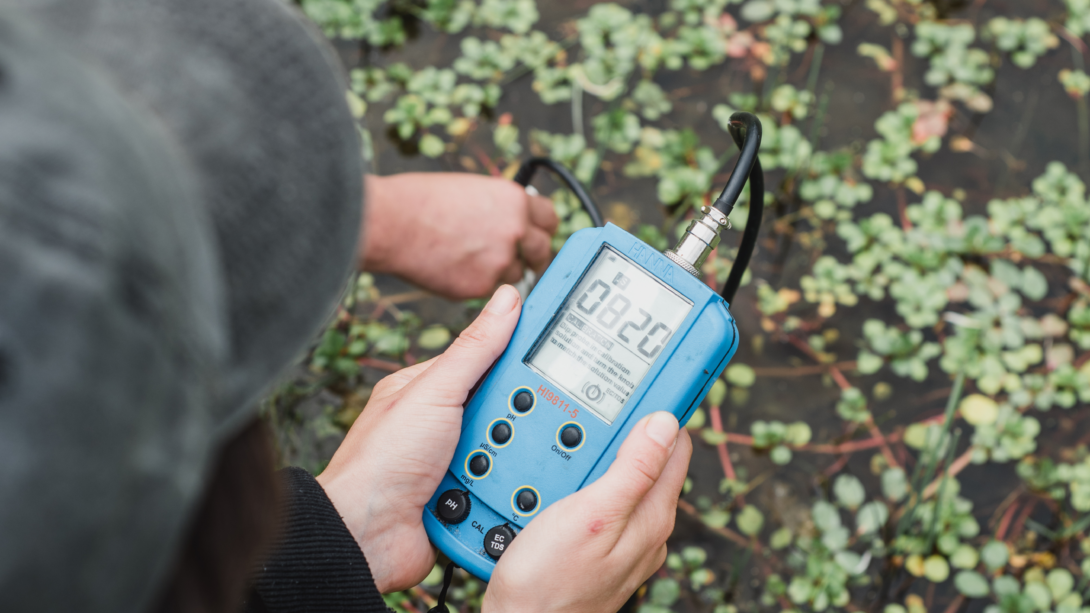
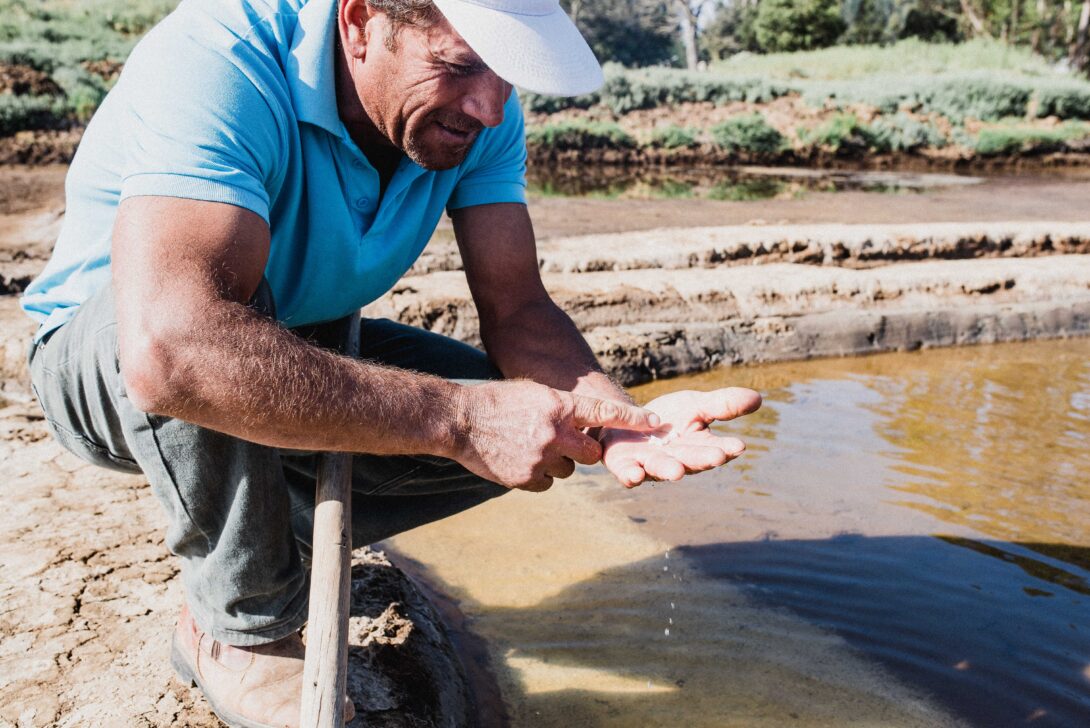
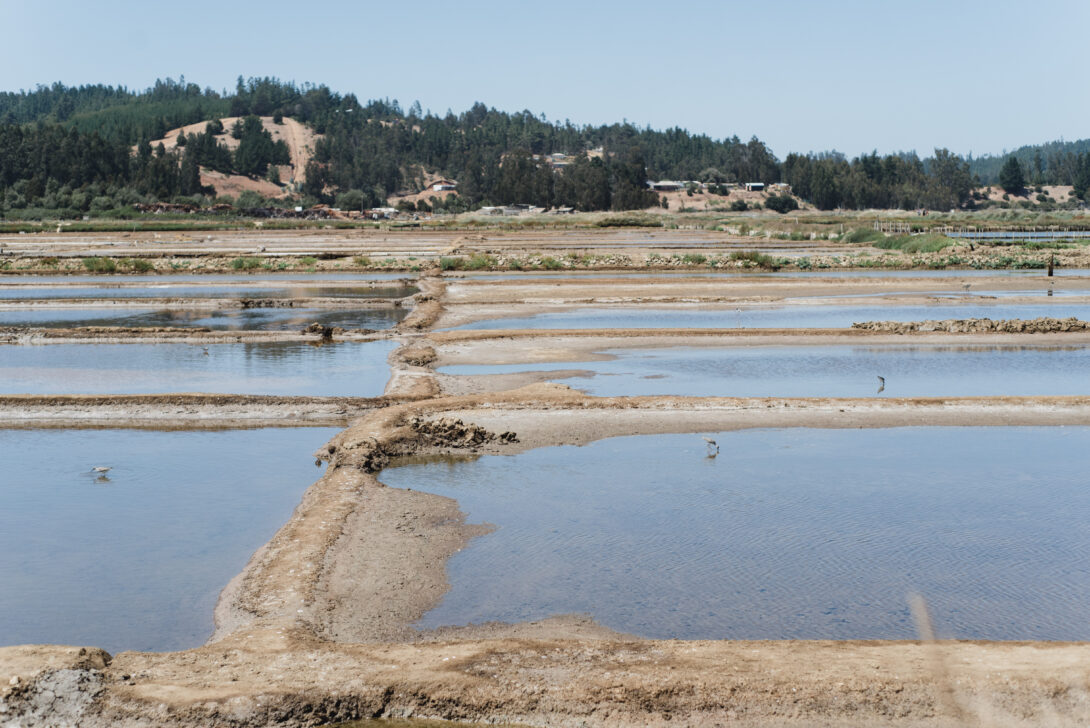
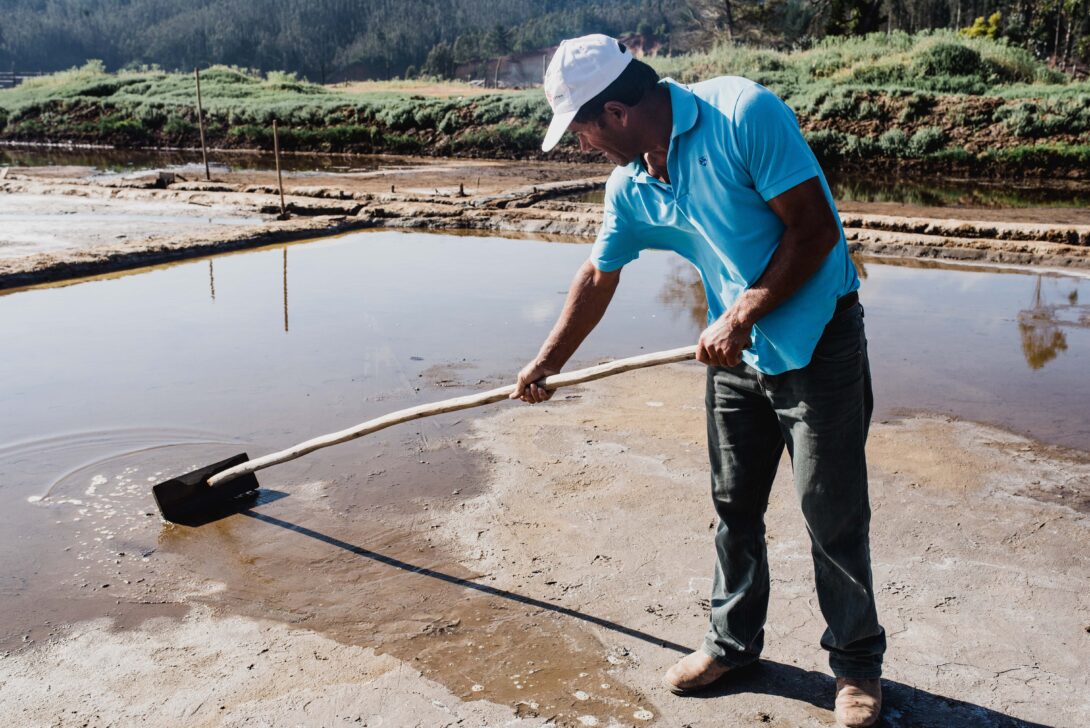
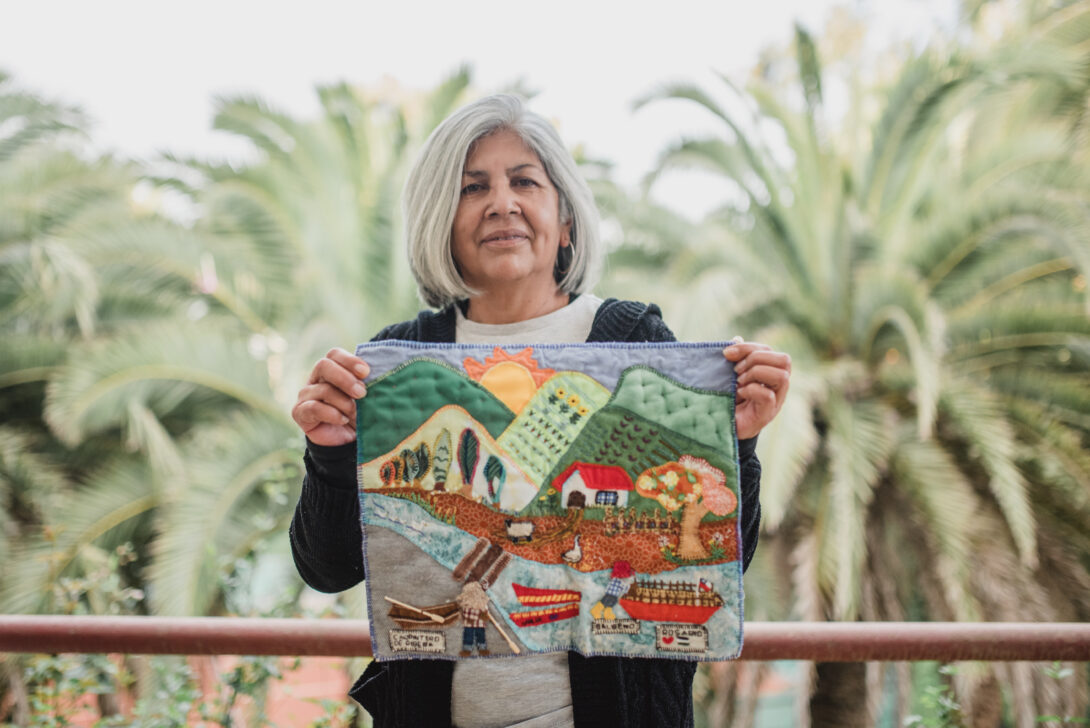
Salt Workers of the Nilahue: Long-term Observers is a collaborative project proposal currently seeking funding. Developed with members of the Centro de Desarrollo Sustentable (CEDESUS), it brings together María Paz Miranda González (documentary photographer and CEDESUS member), Cadudzzi Salas Vera (socioenvironmental activist, cofounder and director of CEDESUS), and Vicky Acosta Mesías (textile artist and CEDESUS member). The project aims to recognize salt workers as long-term environmental observers by combining community environmental monitoring, participatory observation, historical documentation, and collective art. Working alongside local organizations and the salt farming community, the team will document environmental knowledge, connect it with historical and environmental records, and translate it into a collective Chilean arpillera that communicates socioenvironmental change through community knowledge, cultural heritage, and citizen science.
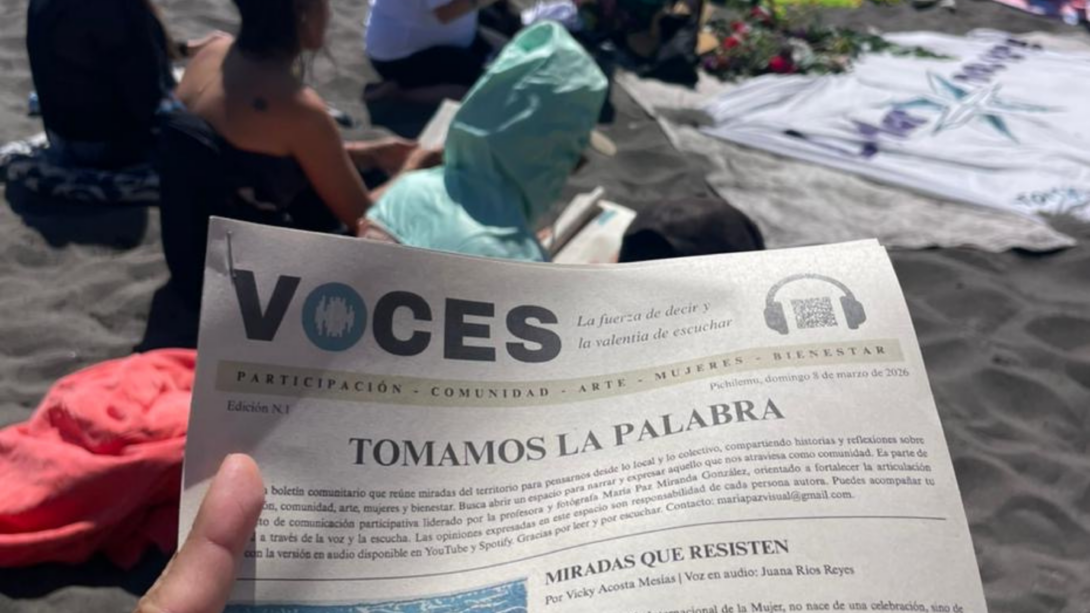
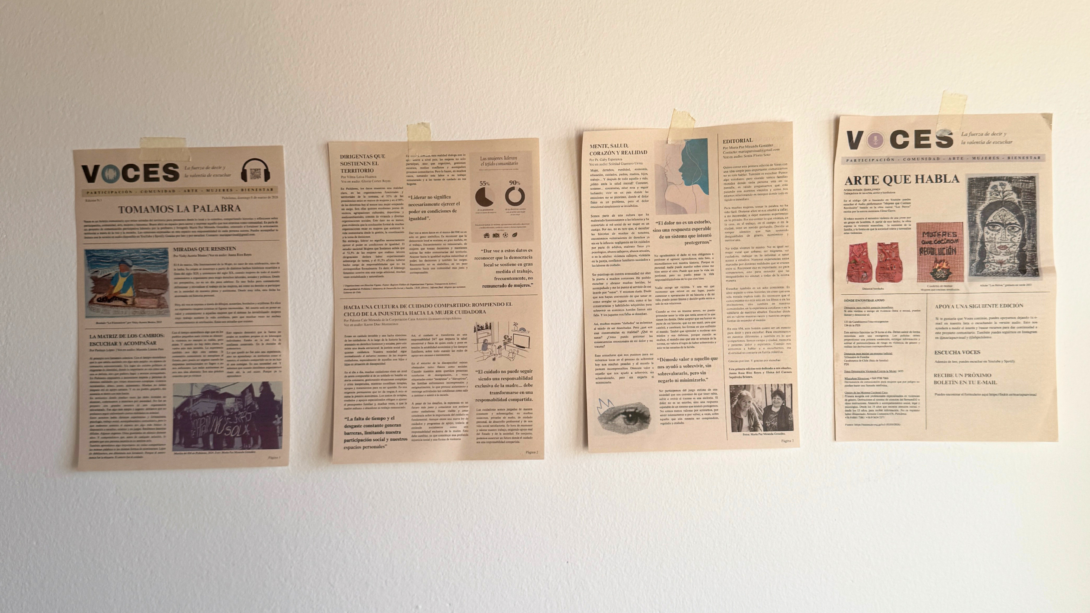
BOLETÍN COMUNITARIO VOCES
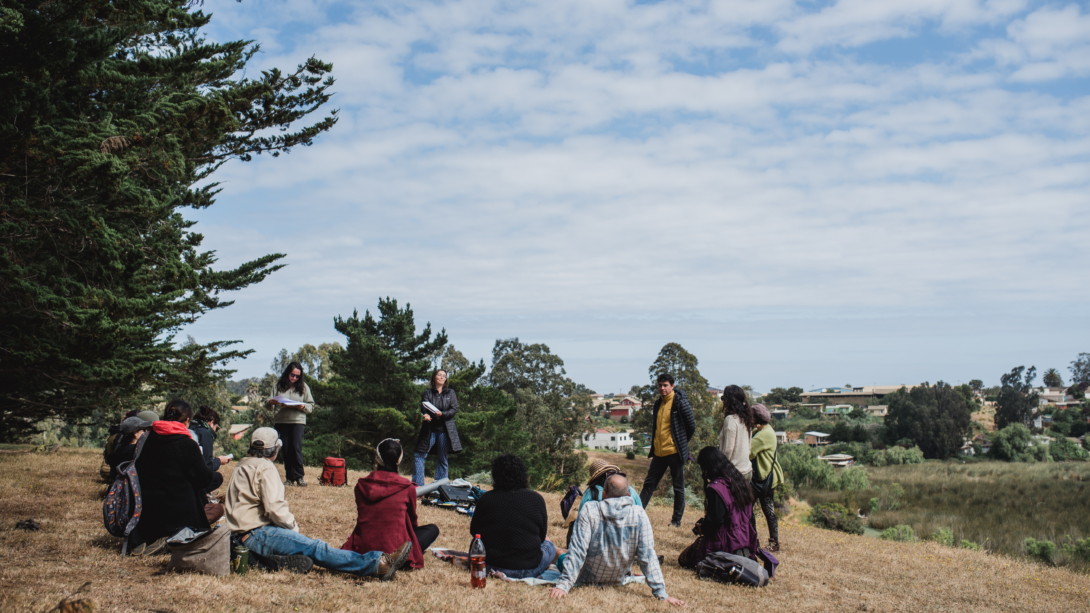
Voces is an independent community publication that amplifies stories, knowledge, and perspectives often absent from mainstream local media. Published in print and/or digital formats, it creates an accessible space for community participation and values lived experience as a form of local knowledge. Its first edition focused on women’s voices and everyday experiences. The second explores winter, documenting how seasonal changes affect livelihoods, local economies, and community life, highlighting how women sustain families and social networks during quieter months. By documenting these underrepresented perspectives, Voces strengthens community dialogue and demonstrates how everyday observations can contribute to citizen science and collective understanding.
About the situated knowledge
I grew up in a rural community, where I learned that valuable knowledge is often held in everyday experiences and rarely recognized beyond the places where it is lived. I am a language teacher who taught herself documentary photography, and this combination shapes how I approach creative work. My practice is grounded in ethical documentary photography and participatory storytelling, seeing photography as a collaborative process rather than a way of extracting stories. I am committed to creating accessible spaces where people whose experiences are often overlooked can participate on their own terms. I work through a human rights based, trauma informed, and accessible approach that values consent, shared decision making, and long term relationships. I collaborate with researchers, environmental organizations, and communities, combining photography, audiovisual media, and collective learning. I am especially interested in how documentary practice can support citizen science, cultural heritage, and environmental stewardship by recognizing lived experience as valuable knowledge and connecting different ways of understanding the world.