About the project
Living Garments as Material Air Archives
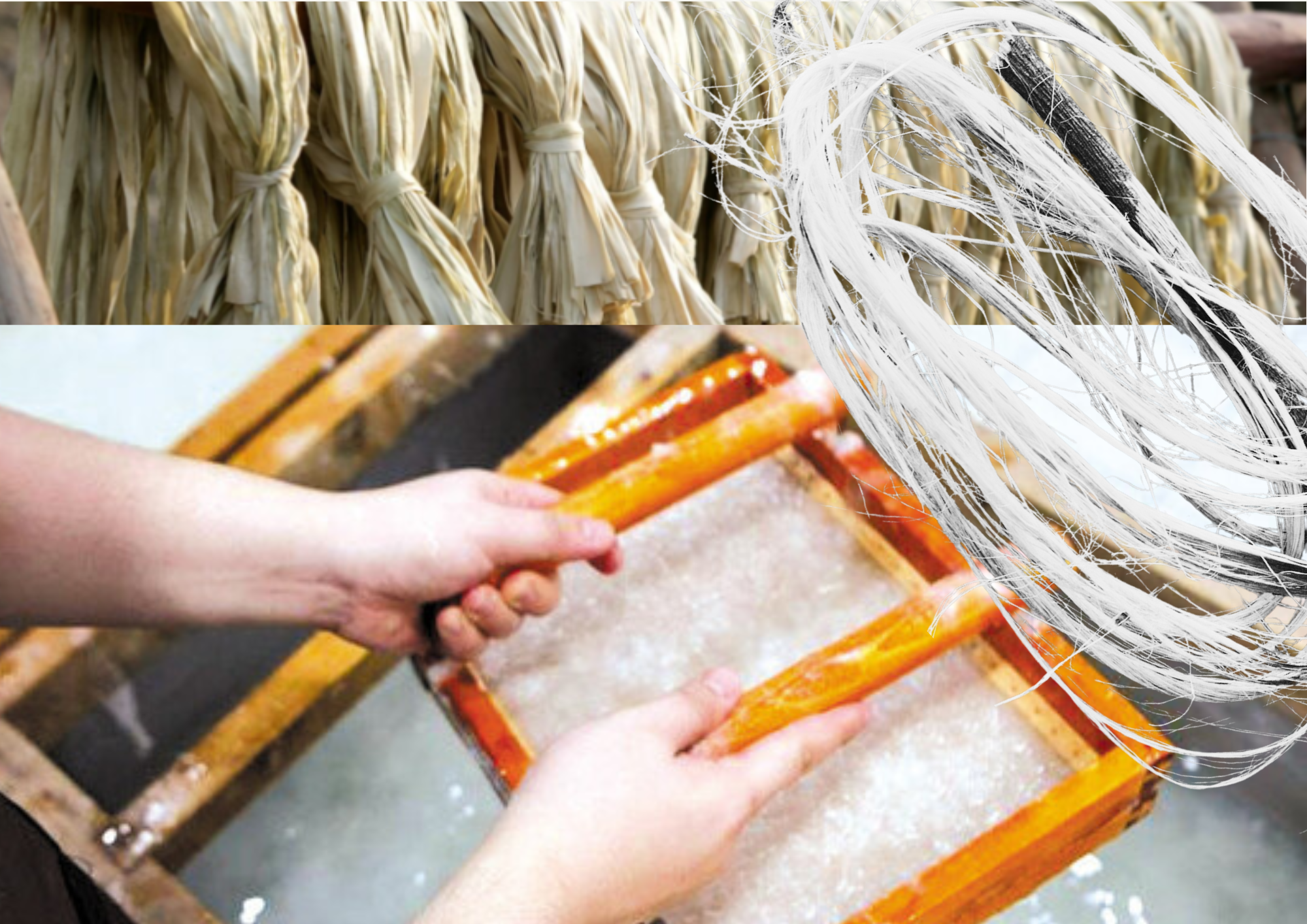
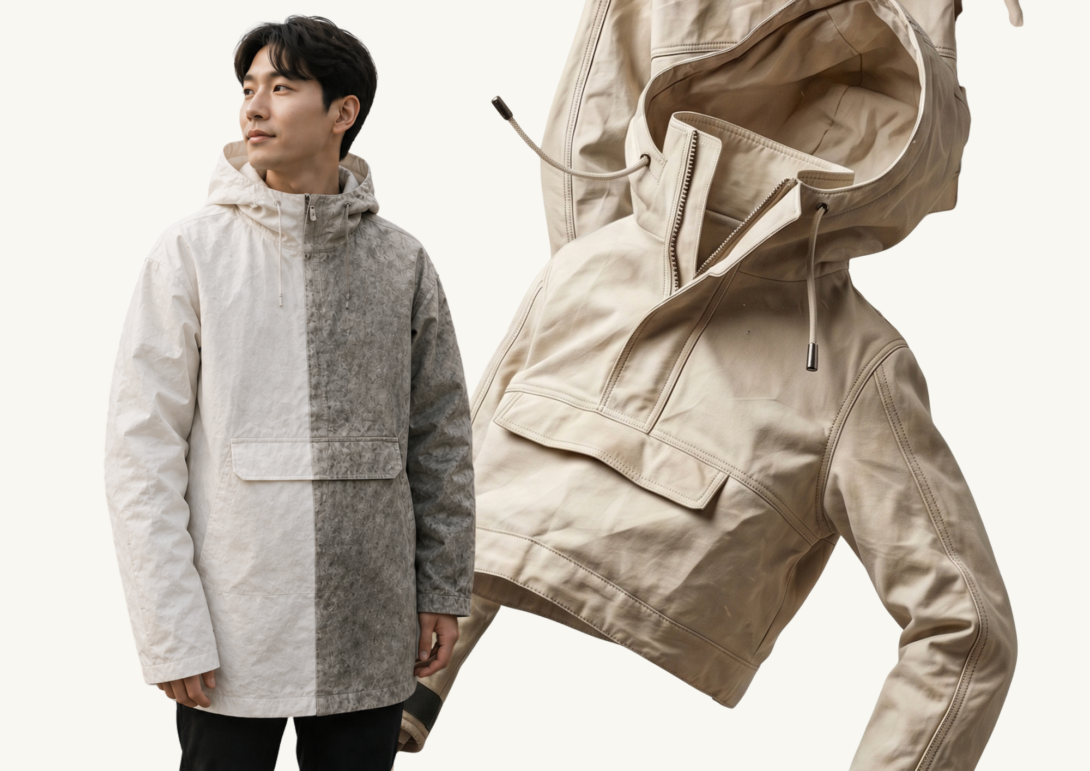
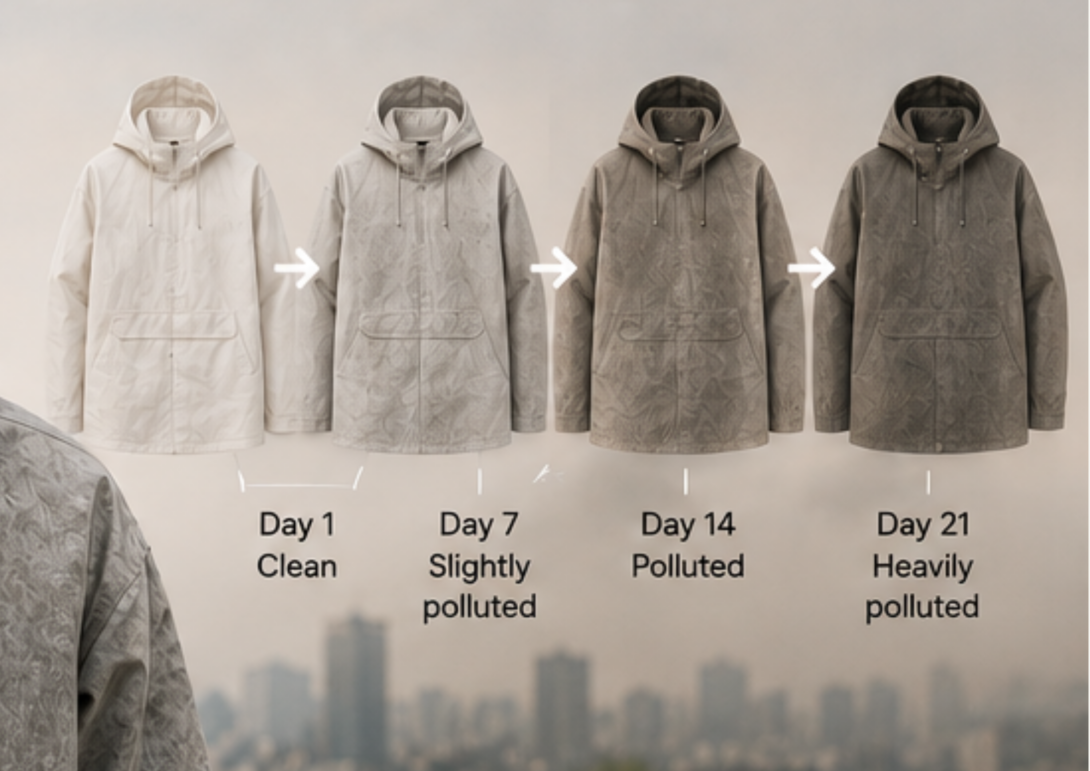
Breathing Paper is a citizen science project that turns traditional Korean hanji paper into wearable, non-electronic air pollution sensors. In Barcelona’s Poblenou neighborhood, participants wear white jackets made from hanji, a porous, pH-neutral paper crafted from paper mulberry bast fiber, for several weeks. As the paper traps airborne pollutants, it darkens and discolors, making invisible air quality visible on the body. Participants photograph this transformation regularly, building a collective “soiling diary” cross-referenced with local open-air quality data. Developed with the Poblenou Neighborhood Association, the project revives hanji’s historical use in garment-making while giving residents digital fabrication skills and full authorship of the artwork. It ends with a community-led exhibition at FabLab Barcelona, where the neighborhood presents its own material archive of the air it breathes, driving grassroots environmental awareness through craft, data, and shared experience.
About the projects’ approach
The project treats air quality monitoring as something communities can do with their hands, not just with instruments. Its methodology is open: garment patterns are released as open-source, laser-cuttable files with a citizen-science assembly toolkit, so anyone can reproduce or adapt the work. It is collaborative: local residents are co-authors, trading their lived experience of pollution for fabrication skills and keeping ownership of the final data archive. It is regenerative: hanji is a biodegradable, thousand-year material made from renewable paper mulberry, dyed with natural eco-dyes, and cut with zero-waste modular patterns. It is ecosystemic: the soiling diaries link individual bodies, neighborhood streets, and open municipal datasets into one legible system, connecting personal experience to environmental data infrastructure. The garment becomes both sensor and story, a material witness that makes the local atmosphere readable to the people who live in it.