About the project
The Handbook of Hope – Sustainable Futures for Indian Fisherfolk
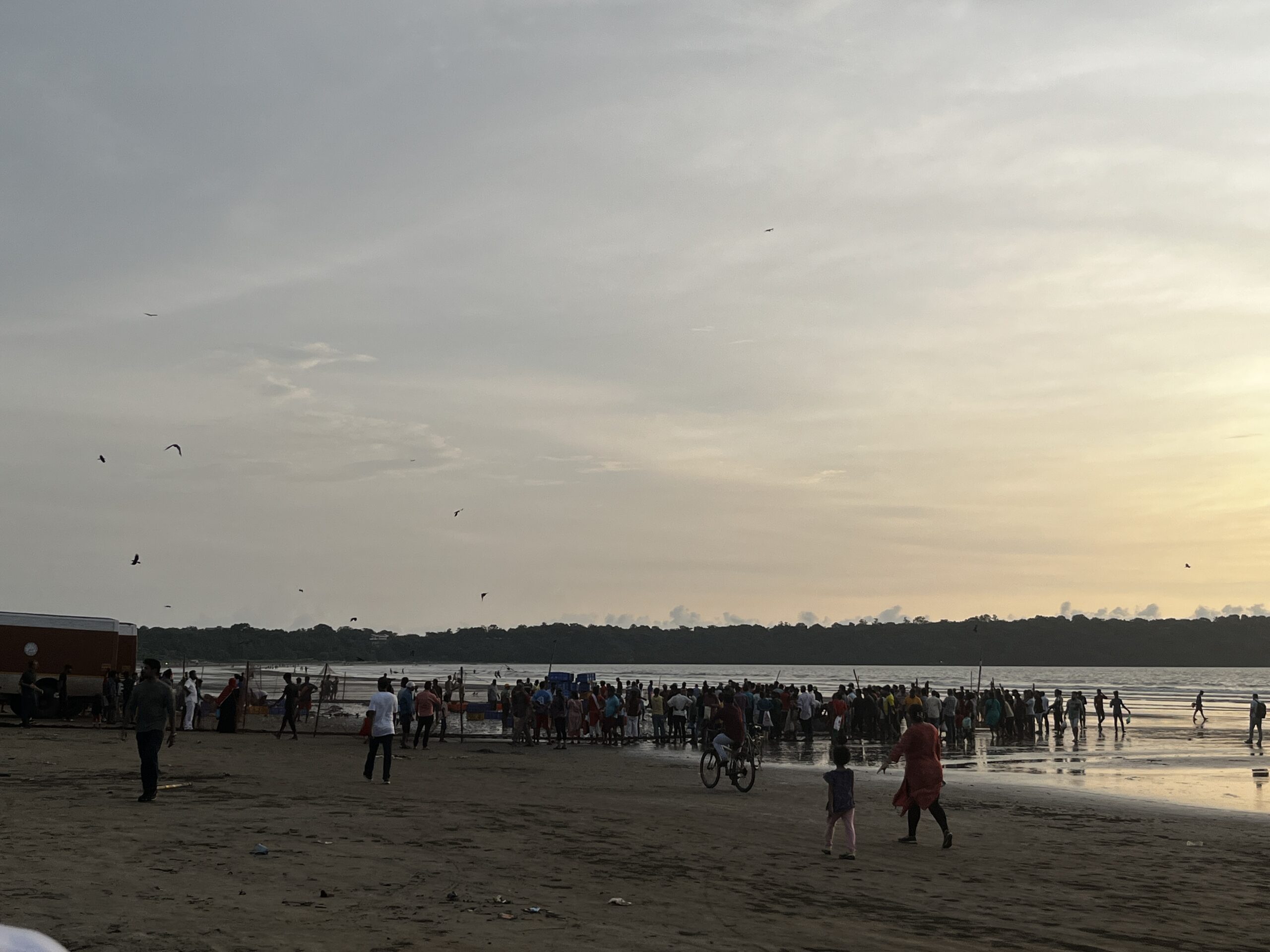
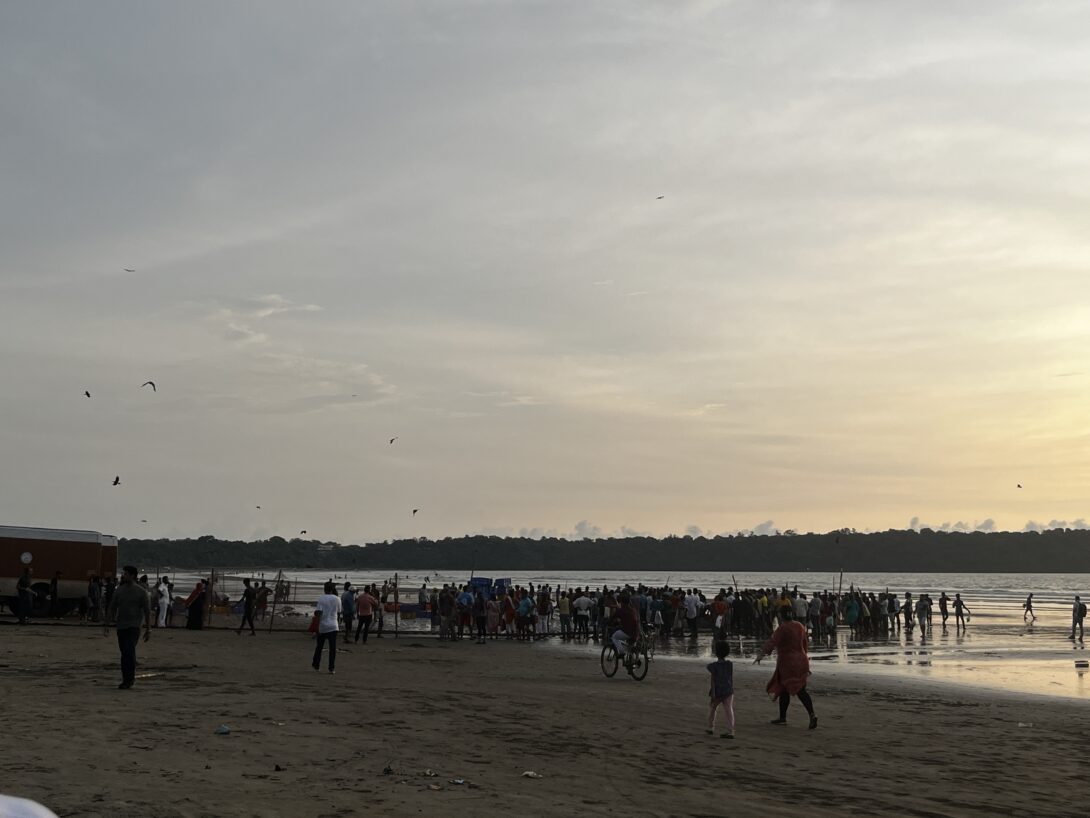
What if our songs and dances were more than just reflections of the past? what if they were the tools we used to navigate a changing future? For generations, the fisherfolk of Mumbai have read the sea with a wisdom that no machine can fully replicate. Yet, as pollution and erratic water levels increasingly threaten their livelihoods, their voices are often sidelined in climate conversations. We aim to make a difference there through a design-led, co-creation project that translates these environmental challenges into traditional performance formats. Over the next few months, we will work directly in the coastal fishing zones to integrate this cultural expression with simple, community-led sensing logs. Our goal is to ensure that those most intimately connected to the ocean lead the path toward sustainable resilience, documenting their lived experience into a ‘Handbook of Hope’ for a more equitable future.
About the project’s approach
Our methodology is fundamentally open and collaborative, operating as a bridge between ancestral wisdom and modern citizen science. We believe that sustainable solutions must evolve directly from the fisherfolk’s own situated knowledge of their practice. By treating climate change as a cultural question, we facilitate a regenerative process where the community reclaims its agency to define the next sustainable practice.
Our approach replaces top-down intervention with a co-creation framework, guiding participants to synthesise raw environmental data collected through simple, community-led sensing logs with traditional narratives. This ensures that the resulting early warning systems are not only technically informed but are also inherently linked to the community’s social reality. Through these workshops, we aim to foster an environment where local expertise is valued as the primary driver of climate resilience, ensuring our tools grow from and belong to the community itself.