About the project
BARRIOS EN RESISTENCIA
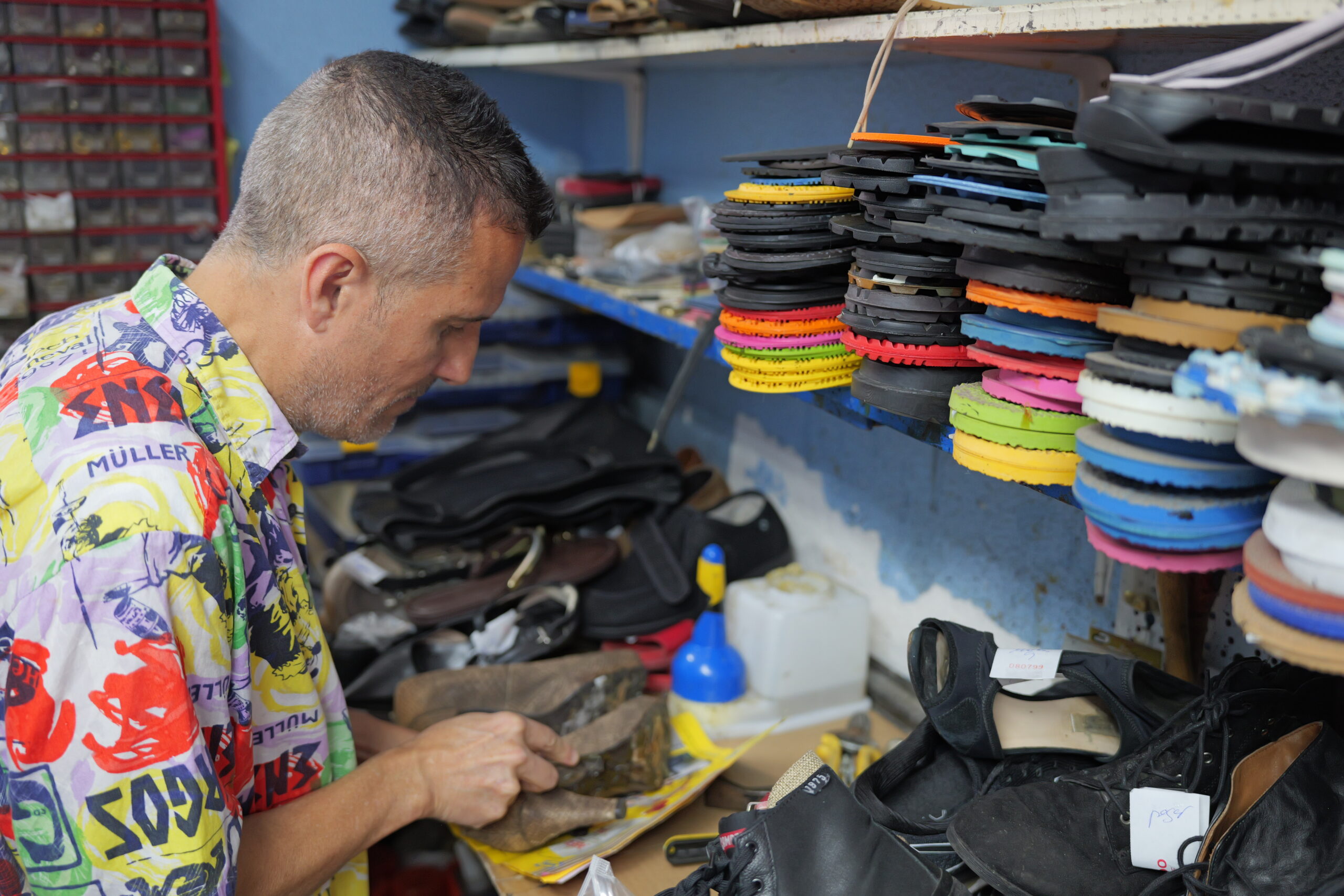
Barrios en Resistencia is a collaborative mapping platform that documents neighbourhood businesses, local stories, and everyday practices of community resilience in the Canary Islands. Through participatory walks, audiovisual storytelling, oral history, and collective mapping, residents become active contributors to a growing archive that explores the relationship between sustainability, local economies, community life, and urban transformation.
POESÍA EN CAMINO
Poesía en Camino is a participatory public art project developed over approximately three months, where neighbourhood residents co-created a museum of videopoems in their own community. Through dérive walks, creative writing, experimental video screenings, and hands-on training in audio and video editing, participants produce site-specific works that reflect their everyday environments. The resulting museum is accessible through QR codes placed in the neighbourhood, allowing visitors to experience the collective archive in situ while reconnecting with local spaces through artistic observation and shared storytelling.
PSICOGEOGRAFÍA DE MERCADILLO
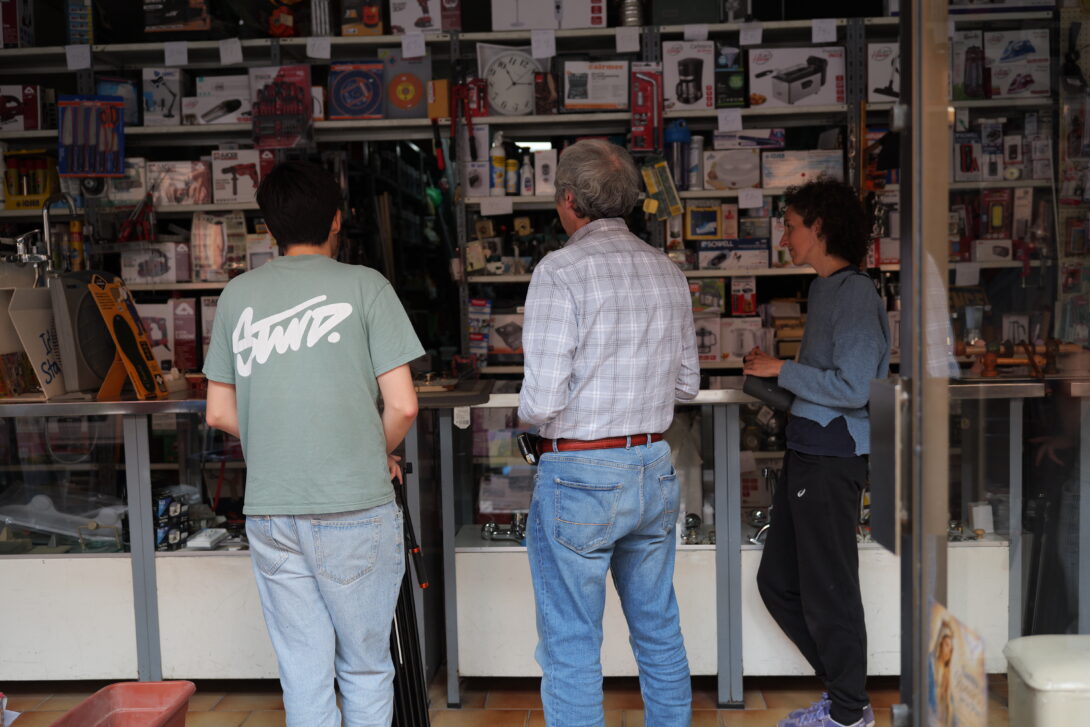
Psicogeografía de Mercadillo is an ongoing participatory mapping project currently in development, exploring traditional street markets as spaces of cultural diversity, social exchange, and everyday resilience. Through collective walks, conversations, audiovisual documentation, and psychogeographic methodologies, the project seeks to document and better understand the social ecologies that continue to exist within local market communities. It also aims to serve as a tool to remind Canarian society of its intercultural past, shaped by its position in an ocean that connects continents, and to highlight that this interculturality is not recent, but an intrinsic part of the history of the place we inhabit.
About the situated approach
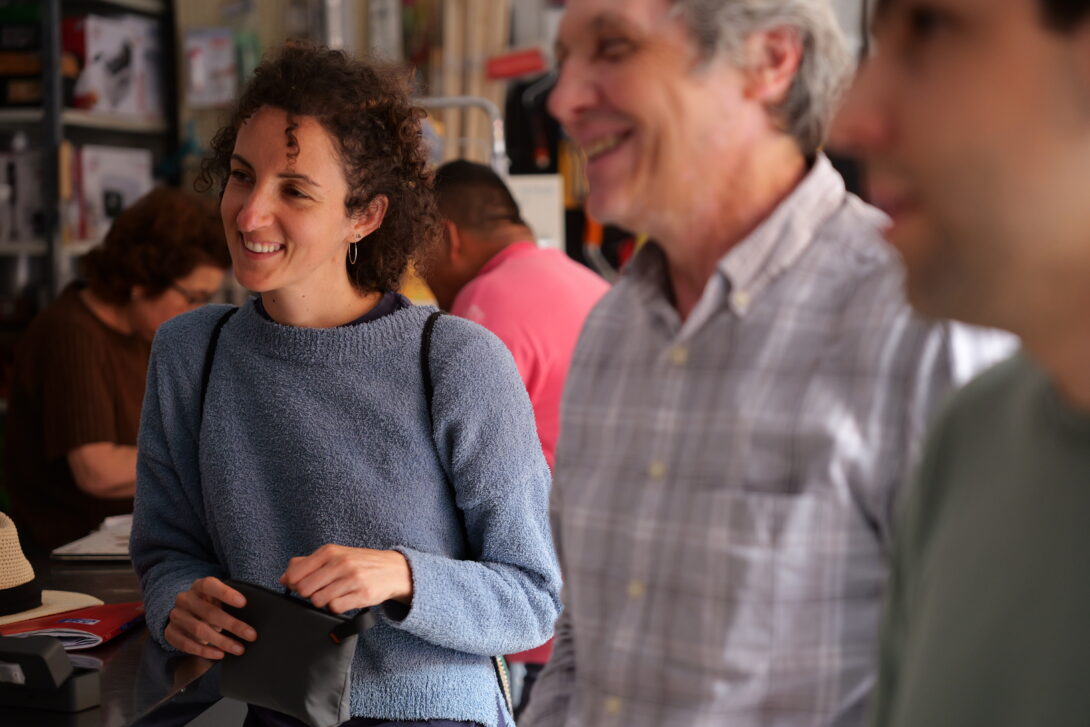
I understand cultural practice as a collective process rather than the production of individual outcomes. My projects begin with listening, walking, and observing everyday life, creating spaces where people become active contributors to the knowledge, stories, and archives that are produced.
I am interested in open methodologies that can be shared, adapted, and reinterpreted by different communities. Rather than creating finished products, I design frameworks that allow projects to evolve over time through participation and collaboration.
I believe regenerative practices are also cultural practices. Sustainability is not only about environmental data or material resources, but also about maintaining local knowledge, neighbourhood relationships, proximity economies, and collective memory. By combining artistic methodologies with community participation, I seek to create projects that strengthen people’s relationship with the places they inhabit while contributing to more connected, resilient, and locally rooted futures.
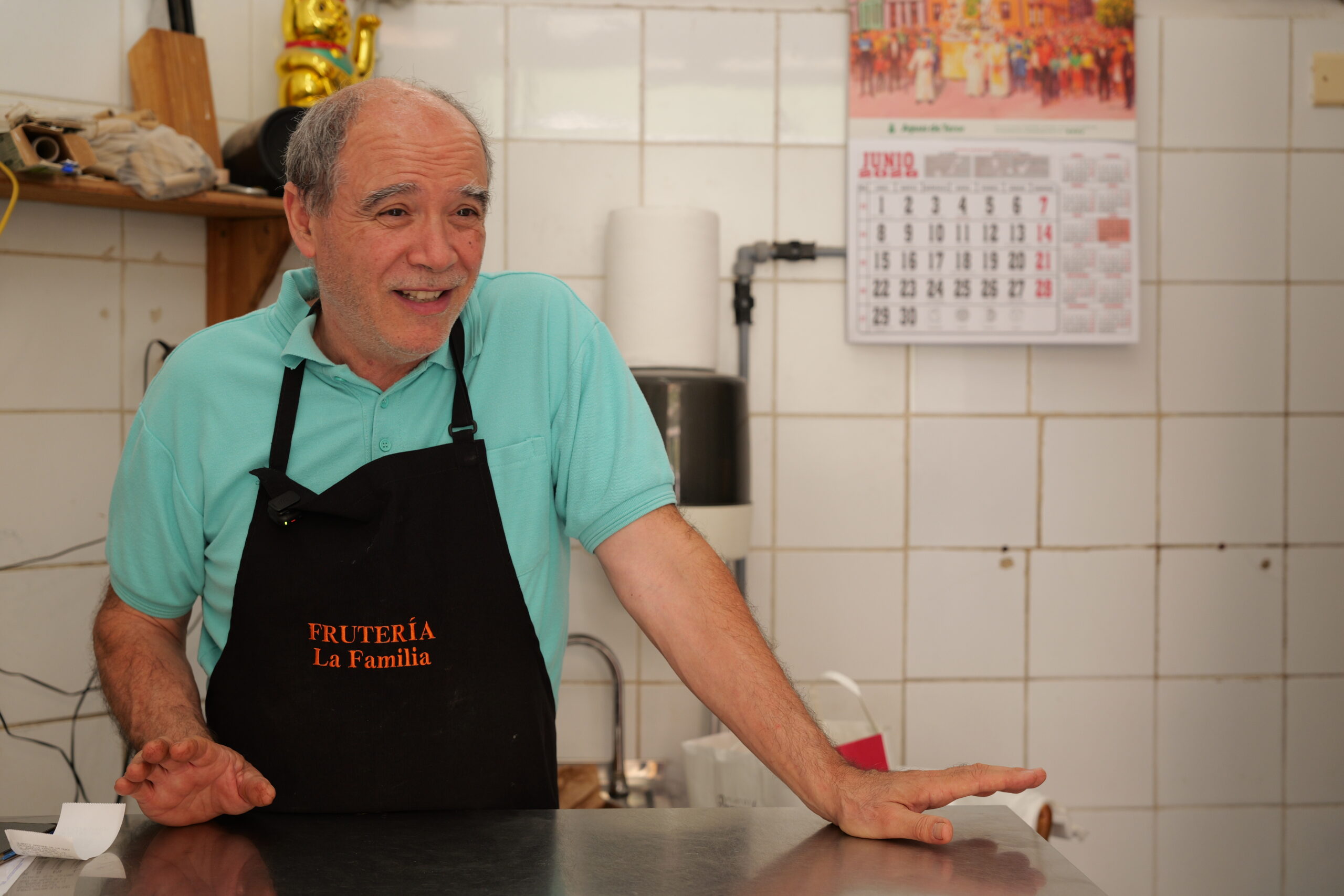
About Andrea Farah Gaeta
Her work spans collective mapping, psychogeography, audiovisual storytelling, oral history, and cultural mediation. In recent years, she has increasingly focused on mapping and psychogeography as central tools in her practice, while continuing to draw on her broad, multidisciplinary experience. She is interested in how artistic methodologies can strengthen relationships between people and place, and rather than creating projects for communities, she develops them with communities, designing participatory processes where neighbours become active contributors to documentation, storytelling, and knowledge production.